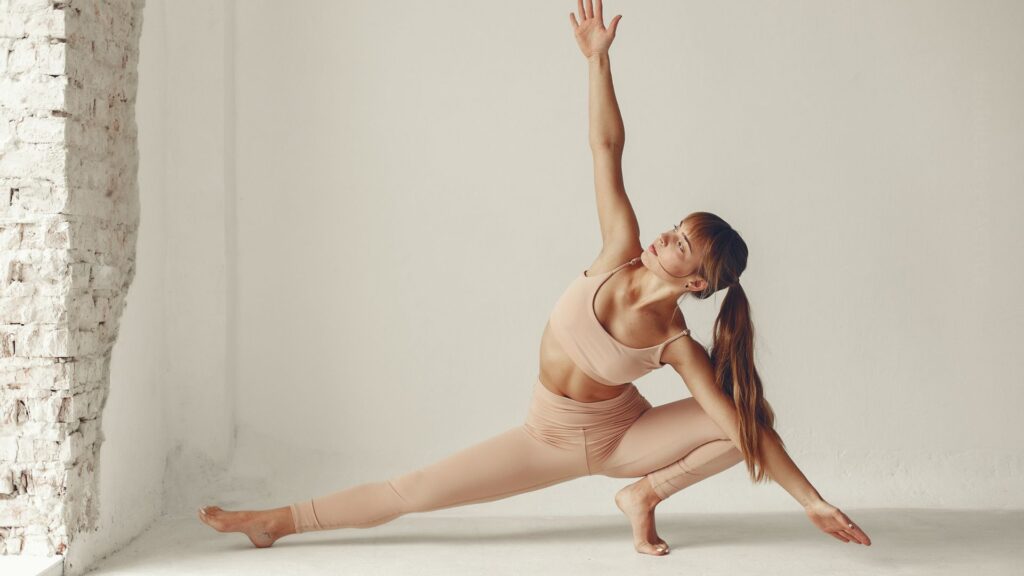
As we age, maintaining fitness becomes both more challenging and more crucial. High-intensity interval training (HIIT) has been a popular choice for those looking to maximize their workouts in a short amount of time. However, for individuals over 40, the intensity and impact of HIIT can sometimes lead to stress injuries, particularly in the joints and upper body. This is where yoga can be a game-changer. Swapping HIIT for yoga can help prevent stress injuries while still offering a comprehensive workout that benefits both the body and mind.
The Risks of HIIT for the 40+ Crowd
HIIT involves short bursts of intense activity followed by brief periods of rest or lower-intensity exercise. While this approach is excellent for cardiovascular health and burning calories, it also places significant stress on the body, particularly the joints and muscles. For those over 40, the risks associated with HIIT include:
– Joint Stress: High-impact movements can exacerbate existing joint issues or lead to new ones, particularly in the knees, hips, and shoulders.
– Muscle Strains: The rapid, intense movements can result in muscle strains or tears, especially if not properly warmed up or if the body isn’t conditioned for such activity.
– Recovery Time: As we age, our bodies take longer to recover. The high intensity of HIIT can lead to prolonged soreness and fatigue.
The Benefits of Yoga
Yoga, on the other hand, provides a lower-impact alternative that still delivers substantial health benefits. Here’s why yoga is an excellent choice for those looking to prevent stress injuries while maintaining fitness:
– Improved Flexibility: Yoga enhances flexibility, which can help reduce the risk of injuries by allowing joints and muscles to move more freely.
– Strength Building: Many yoga poses build strength in a controlled, balanced manner, supporting joint health and muscular endurance.
– Stress Reduction: The meditative aspects of yoga help reduce stress, which can have a positive effect on overall health and wellbeing.
– Joint Health: Yoga’s low-impact nature is gentle on the joints, making it an ideal exercise for those with or at risk of osteoarthritis and other joint issues.
– Balance and Stability: Yoga improves balance and stability, which can prevent falls and related injuries, particularly important as we age.
Integrating Yoga into Your Fitness Routine
Making the switch from HIIT to yoga doesn’t mean you have to abandon high-intensity workouts altogether. Instead, consider a balanced approach that incorporates both types of exercise, tailored to your body’s needs.
– Start Slow: If you’re new to yoga, begin with beginner classes or guided sessions to learn proper techniques and avoid injury.
– Mix It Up: Alternate between yoga and lower-intensity cardio or strength training to maintain variety and keep your workouts well-rounded.
– Listen to Your Body: Pay attention to how your body responds to different exercises. Adjust your routine as needed to avoid overexertion or strain.
– Focus on Recovery: Incorporate restorative yoga sessions that emphasize relaxation and recovery, helping your body heal and stay balanced.
“It’s impossible to imagine that any machine could run for 40 years without needing some TLC or repairs, and the body is no different,” explains Carlos, Orthopaedic Surgeon at The Shoulder Practice. “While genetics play a role in the advancement and severity of upper body conditions such as osteoarthritis, all adults can expect to experience some change to their shoulder joints as they age and the cartilage that cushions joints wear down, leading to less mobility, pain, and inflammation.”
For individuals over 40, maintaining an active lifestyle is essential for overall health and wellbeing. While HIIT offers many benefits, its intensity can sometimes lead to stress injuries, particularly in aging joints and muscles. Swapping or complementing HIIT with yoga provides a balanced approach to fitness that supports joint health, flexibility, and overall physical and mental wellness.
By integrating yoga into your fitness routine, you can continue to stay active and healthy without compromising your body. Remember, taking care of your body now will pay off in the long run, allowing you to enjoy a vibrant, active life well into your later years.